Fitness On Demand: Navigating the Future of Online Coaching
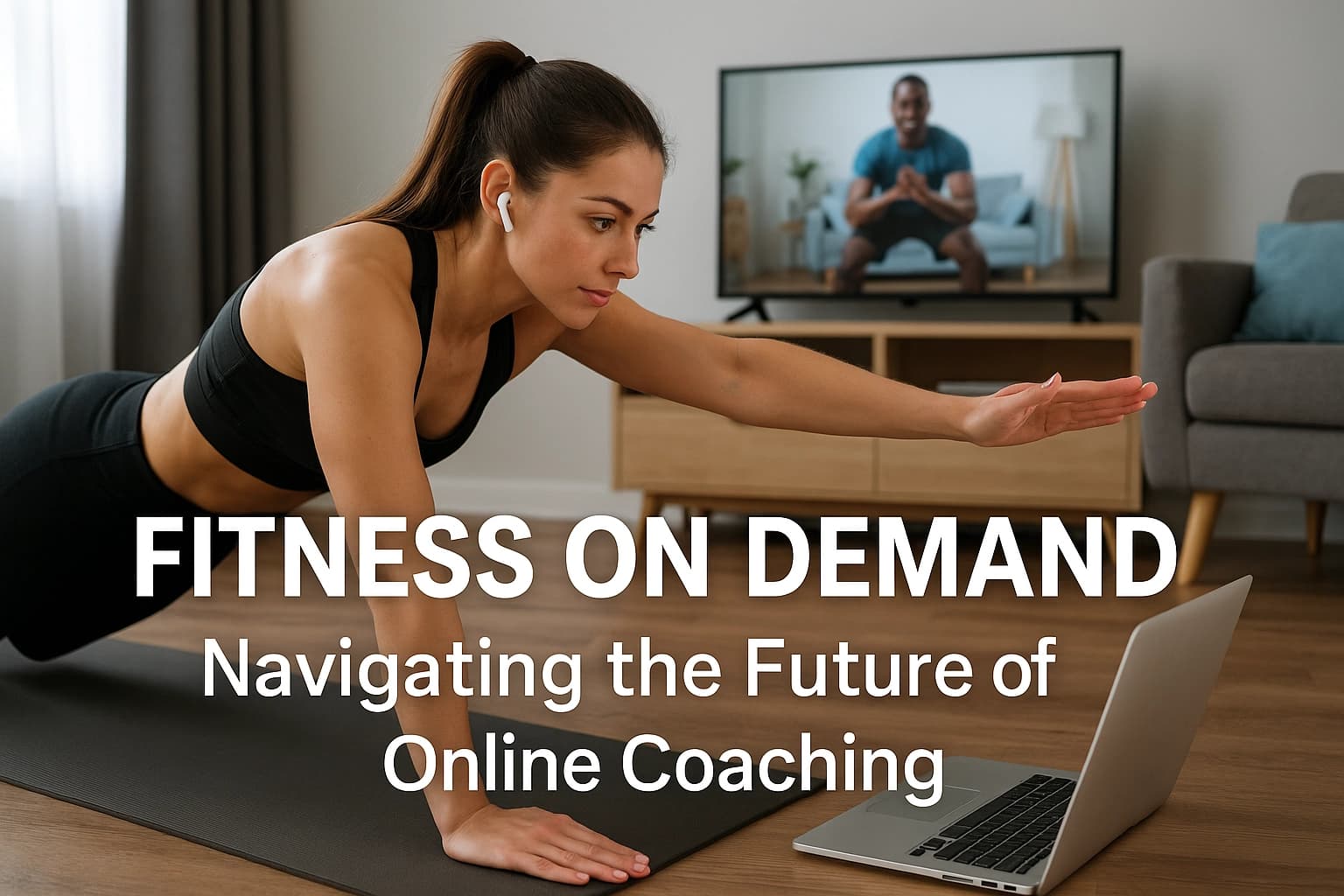
Ever wish your workout could start the moment you have time, not when a class slot opens? That is the promise of fitness on demand. With a tap, you can stream guided sessions, chat with a real coach, and track progress without a gym commute.
In this beginner friendly analysis, we will unpack how online coaching is changing, what tools you actually need, and where the costs and benefits really land. You will learn the differences between live coaching, on demand videos, and hybrid plans, how to spot quality programs, and how to avoid common pitfalls like cookie cutter plans and burnout. We will compare popular platforms, explain what data matters from wearables, and show simple ways to stay accountable when your coach is on a screen. By the end, you will know how to pick a service that fits your goals, budget, and schedule, and how to get results safely.
If you are new to training or returning after a break, you are in the right place. Let’s make smart choices first, then sweat.
The Current Landscape of On-Demand Fitness
A booming equipment market opens new doors
The home fitness equipment market is projected to grow from 12.88 billion dollars in 2025 to 19.79 billion dollars by 2032, a 6.32 percent CAGR, according to the global home fitness equipment market. For beginner friendly coaching businesses, that means more clients with dumbbells, smart bikes, and connected rowers at home. Online coaches can package programs that fit common setups, then upsell movement screens and habit coaching. A practical move is to survey new clients about equipment. Create three program tiers, bodyweight, minimal gear, full home gym. LVLUP-App.com can help trainers ditch spreadsheets, standardize templates, and deliver equipment specific progressions at scale.
Virtual and remote platforms redefine flexibility
Fitness on demand is now a default expectation. Clients want streaming classes, on demand libraries, and check ins they can complete between meetings. Wearable tech and mobile apps, named top trends for 2025, make it easier to track adherence and recovery. Automation matters too, tools like Fitness On Demand reshaping industry show how scheduling and onboarding can run with fewer clicks. Coaches who combine live sessions with asynchronous plans can reach more people globally, a model that has produced standout earners, with some online coaches surpassing 900 thousand dollars per year. Build a hybrid calendar that mixes weekly live touchpoints with an on demand library to keep clients engaged between sessions.
Data driven coaching with real time insights
Wearables now surface heart rate zones, HRV, and rep tempo in real time, turning guesswork into coaching decisions. Set simple KPIs, weekly active minutes, zone 2 time, and a recovery score, then adjust volume when metrics dip. Use form videos and velocity cues to individualize loads for beginners safely. Emerging tech is promising, see the tennis study on real time swing data visualization in VR for a glimpse of immersive feedback. With LVLUP workflows, coaches can tag sessions by metric, automate check ins, and act quickly on the data to improve results.
Wearable Technology: Revolutionizing Personal Training
Why wearables lead 2025
Wearable tech is not a fad, it is the number one fitness trend for 2025 according to the ACSM survey, a top spot it has held for seven years running Wearable Technology is the Top Fitness Trend for 2025. The market is following suit, valued around 15.8 billion dollars in 2025 and projected to reach 34.7 billion dollars by 2032 at a 12.4 percent CAGR Wearable fitness technology market outlook. Advances in sensors and algorithms now capture heart rate variability, sleep stages, stress, and recovery with better accuracy. For coaches and beginners alike, this is a big deal because objective data simplifies decisions that used to rely on guesswork. In short, your watch becomes a translator for your body, and your coach can act on it in real time.
From data to personalization and engagement
Wearables turn vague goals into actionable training. When a client’s HRV dips, sleep quality drops, or daily strain spikes, coaches can tailor intensity, swap sessions, or schedule deloads with confidence. AI-enhanced platforms are also analyzing these streams to adapt programs and even nutrition tips dynamically, a trend accelerating personalized coaching in 2025 Why Wearable Technology Remains #1. Engagement rises because clients see tangible proof, real-time heart rate zones, streaks, and recovery scores, that their effort is paying off. In hybrid and virtual settings, these micro-feedback loops create more touchpoints than a weekly in-person session. For fitness on demand, it makes pre-recorded plans feel live and responsive.
Putting wearable insights to work in LVLUP-App
LVLUP-App can streamline this data flow, helping coaches ditch spreadsheets while coaching smarter. Connect popular devices through standard data pipelines, for example Health Connect, so Garmin, Fitbit, Google Fit, and Samsung Health metrics land in unified client dashboards. Set clear automation rules, if sleep is under 6 hours or HRV is down 10 percent, assign an on-demand recovery session, reduce volume by 20 percent, or trigger a check-in message. Build weekly snapshots, rolling HRV average, sleep debt, time in zone 2, and training monotony, then adjust plans with a click. Celebrate streaks, send proactive nudges when clients hit target zones, and visualize progress to boost adherence and retention.
Mobile Exercise Apps: Transforming Client Experience
Why mobile apps rank second in 2025
Mobile exercise apps have surged to the number two fitness trend for 2025, right behind wearables, in the American College of Sports Medicine survey. This ranking reflects a clear shift toward digital-first training that fits real life, not rigid gym schedules. Industry estimates point to roughly 850 million fitness app downloads in 2023 by nearly 370 million users, a sign that mobile is now the default gateway to exercise for many beginners. The appeal is simple, accessibility, lower cost, and smarter personalization. Apps now tailor plans to goals and experience levels using AI, then sync with wearables for real-time feedback, creating a tight loop between training and data. Analysts also note the rise of hybrid fitness, where people blend in-person coaching with app-based tracking and sessions, a pattern highlighted in the Australian Institute of Fitness overview of 2025 trends Mobile Exercise Applications analysis, and confirmed by the ACSM ranking ACSM Top Fitness Trends 2025.
How mobile platforms power fitness on demand
For clients, on-demand apps deliver workouts exactly when life allows, which is why adherence improves with short, targeted sessions and flexible scheduling. AI-driven programming can adapt volume and intensity week to week, while integrations with wearables surface heart rate and recovery insights in real time. Many platforms now add VR or AR sessions for engagement, along with meditation, sleep prompts, and community challenges for whole-person wellness Future of Fitness Apps, trends for 2025. Actionable tip for coaches, package three tracks to start, a 10-minute micro-workout series for busy days, a progressive 8 to 12 week program for strength or fat loss, and a mobility routine for active recovery. Layer in habit tracking, automated reminders, and weekly check-ins to keep clients accountable without adding manual admin.
Where LVLUP adds an edge
LVLUP-App helps coaches turn this demand into scalable service. You can launch a branded app in about 20 days, keep 100 percent of sales, manage unlimited clients, and build plans from a 1,000 plus exercise library with video instructions. Nutrition tools let you set macros and meal plans that align with each program, so clients get a cohesive experience rather than a pile of PDFs. Practical workflow, replace spreadsheets with program templates and automations, then set triggers for progress photos, session feedback, and goal reviews. For hybrid models, use the app for between-session assignments and in-gym logging, which increases touchpoints without extra hours. This is how fitness on demand becomes premium, consistent coaching at scale, and why the mobile channel is now central to client experience.
Embracing Hybrid Coaching: 360° Wellness is Here
Understanding 360° wellness and why it is winning
360° wellness coaching looks at the whole person, not just workouts or macros. It blends movement, nutrition, sleep, stress management, and social support, then tailors the plan to the client’s real life. This approach emphasizes evidence-based behavior change, the Minimal Effective Dose, and habit stacking so progress feels achievable rather than punitive. For a beginner, that might mean two short strength sessions, a 10-minute nightly wind-down, and one habit like adding protein to breakfast. The goal is goodness of fit, not perfection, which is why this model sticks. For a deeper primer on the method, see what 360° wellness coaching includes.
How hybrid coaching boosts satisfaction and retention
Hybrid coaching, a mix of in-person and virtual touchpoints, maps perfectly to 360° wellness because it meets clients where they are. Flexible formats increase accessibility and frequency of support, which improves adherence. Industry data shows the shift is real: about 52 percent of coaches are using hybrid models and coaching retention averages around 65 percent, strong signals that clients value this flexibility source: [coaching industry statistics]. Add in 2025’s top trends, wearables and mobile exercise apps, and you get richer data and more convenient feedback loops that boost confidence and momentum. A simple model that works for beginners is one in-person session monthly, weekly live check-ins, and an on-demand library for off days, all tied to small, trackable habits.
Implementing hybrid with LVLUP-App, step by step
- Start with a 360° intake inside LVLUP-App, then build a personalized plan that includes training, recovery, and habit goals.
- Use fitness on demand features like an on-demand video library and templated programs so clients can train anytime, anywhere.
- Automate nudges for workouts, steps, and sleep; review progress dashboards weekly to adjust the Minimal Effective Dose.
- Schedule live video check-ins and use integrated messaging for micro-feedback between sessions.
- Share resources and host group threads to build community, which strengthens accountability and retention.
Put together, this hybrid, 360° model reduces admin, increases touchpoints, and creates a consistent client experience that scales as you grow.
Leveraging Data-Driven Training for Optimal Results
Rising trend in 2025
Clients now expect workouts to feel as personalized as their favorite apps, which is why 2025 is seeing a surge in data-driven coaching. Affordable wearables and smart equipment stream heart rate, sleep, and movement data, and many tools integrate, giving coaches a unified progress view. The shift is recognized in industry roundups, with data-driven training technology highlighted as a top 2025 trend. Data gives proof beyond feelings, translating sessions into charts, readiness scores, and clear progress markers. Gamified streaks and leaderboards lift adherence, while corporate wellness programs lean on the same metrics to monitor well-being.
Personalizing with real-time data
Real-time data turns a template into a living plan. If sleep drops below 6 hours and resting heart rate rises 7 percent above baseline, swap a HIIT day for 30 minutes of tempo work, mobility, and an easy walk, then reassess in 48 hours. When HRV rebounds and RPE sits under 6 out of 10, progress compound lifts by 2.5 to 5 percent or add a quality set, keeping cardio time in zone 2. For fat loss, use step counts to set micro goals, such as +1,000 steps until a 7 to 10 thousand average holds. You can even A or B test two four week blocks, compare completion and minutes in target zones, then scale the winner.
Turning LVLUP-App data into action
LVLUP-App helps coaches ditch spreadsheets by centralizing client profiles, assessments, and session logs so insights are easy to act on. Record key metrics from the tools clients already use, for example steps, heart rate, sleep notes, and RPE, then see trends in one dashboard. Set simple if then rules, such as if sleep is low or HRV dips, send a recovery message and auto swap a deload template. Tag clients by goal to run quick cohort reviews, refine programming, and highlight wins in weekly summaries. This turns fitness on demand into a data guided service, improving results while freeing time for human connection.
Conclusion: Future-Ready Coaching Strategies
In 2025, fitness on demand is not a side channel, it is the engine of modern coaching. The American College of Sports Medicine lists wearable technology as the number one fitness trend and mobile exercise apps close behind, which signals where client expectations are headed. Automation and virtual platforms are trimming admin time and putting personalized guidance directly on clients’ screens. Hybrid coaching, mixing online programming with selective in person sessions, is proving to be the durable model. The upside is real too, online coaches have scaled to major revenues, with examples like TeamFFLEX reaching $984K per year, showing what is possible when digital delivery is done well.
Action steps for 2025
Start with a simple on demand library, think 6 to 12 week tracks plus short follow along sessions, so clients can train anytime while you sleep. Layer in hybrid touchpoints, a monthly in person assessment, weekly live Q&A, and asynchronous video feedback, to keep accountability high without adding hours. Plug in wearable data, heart rate, sleep, and daily activity, to drive real time adjustments and more precise progressions. Productize your offers with clear tiers, for example Basic on demand, Plus adds group support, Pro adds 1:1 hybrid coaching, so pricing and delivery are predictable. Finally, replace spreadsheets with a platform that centralizes work and supports automation, LVLUP-App helps coaches make this transition smoothly so you can deliver modern coaching with confidence.