Top Fitness Coaching Tools for Birmingham Trainers
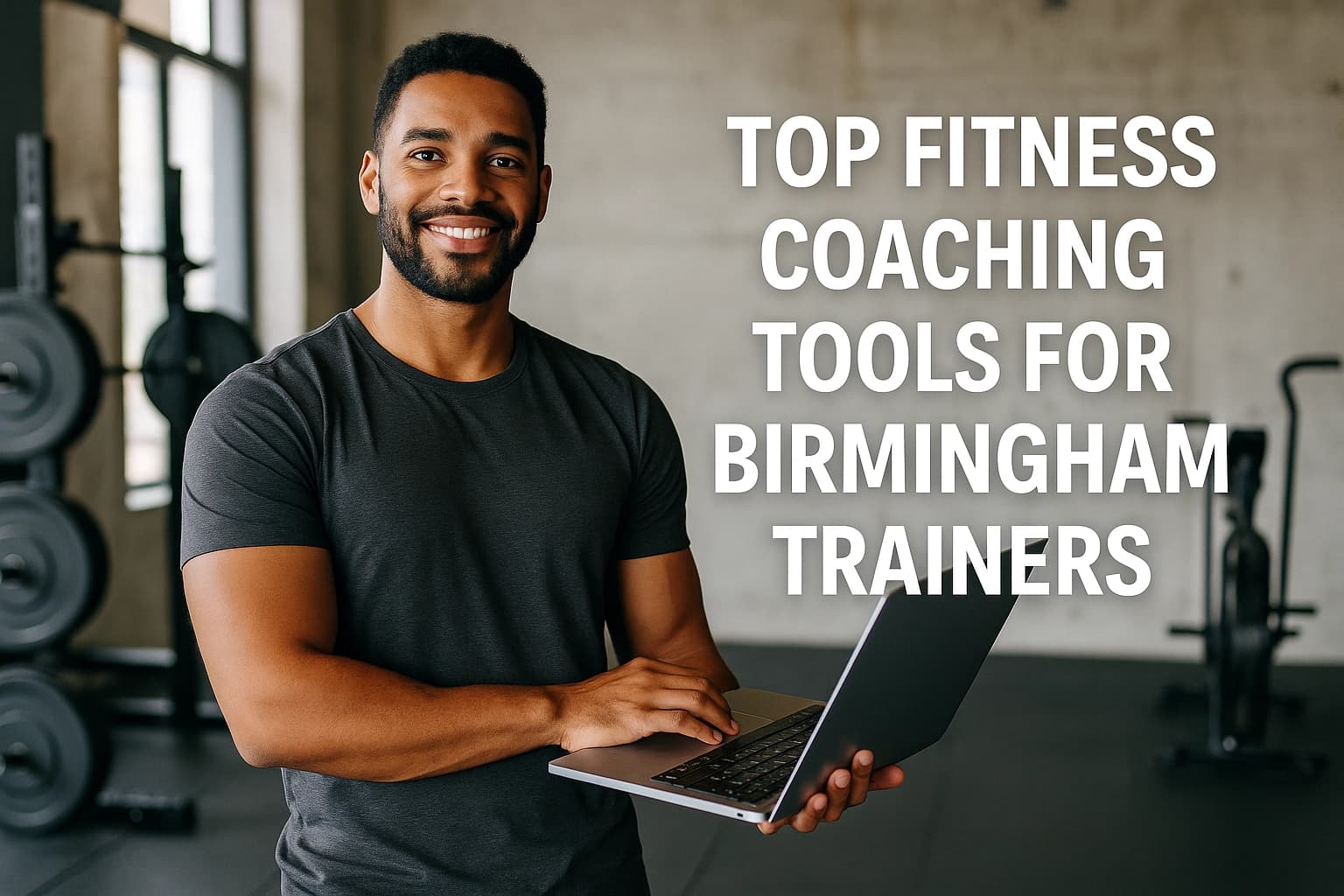
Birmingham’s fitness scene is competitive and fast moving, and your tech stack can be the difference between a full client roster and missed opportunities. Type fitness coach birmingham into Google and you will see countless options for clients to choose from. To stand out, you need tools that streamline programming, track progress with precision, manage bookings and payments, and support hybrid coaching across gyms, parks, and home sessions.
In this list, you will find the top coaching platforms, assessment apps, messaging and accountability tools, wearables integrations, and marketing solutions tailored to trainers working in and around Birmingham. Expect clear explanations of who each tool is best for, essential features to prioritize, pricing guidance, and how well each option fits UK needs such as GDPR, secure payments, and HMRC friendly invoicing. You will also get quick setup tips, recommended tool stacks for different coaching models, and notes on integrating with popular calendars and video platforms. By the end, you will know exactly which tools to adopt, how to connect them efficiently, and where to invest next to elevate your client experience and save time.
Embracing AI-Powered Workouts
- Understanding the rise of AI in fitness. AI adoption is accelerating as coaches seek personalization at scale and clients expect data-informed guidance. The global AI in fitness market was about 500 million dollars in 2022 and is projected to grow at a 32 percent CAGR through 2028, signaling enduring momentum AI in the fitness industry market data. For coaches, AI reduces manual admin, enables hybrid models, and surfaces insights that were previously locked inside spreadsheets. Wearables, computer vision, and virtual studio tools now create continuous feedback loops that enhance programming decisions. For any fitness coach birmingham aiming to stand out, aligning with these expectations is becoming a competitive necessity.
- How AI offers personalized, adaptive workout plans. Machine learning analyzes biometrics, session performance, training history, and goals to generate programs that adapt in real time. Loads, volume, rest intervals, and exercise selections can auto-progress based on readiness, rep velocity, or heart rate recovery. Nutrition targets can be personalized with high accuracy when linked to biometric trends, improving adherence and outcomes. AI planning assistants also cut programming time dramatically, freeing coaches to focus on cueing and accountability. Actionable tip: sync client wearables, set progression rules for key lifts, and schedule weekly AI-assisted audits to recalibrate volume and recovery.
- Examples of successful AI integrations in fitness coaching. AI-enhanced fitness apps saw a 45 percent year-over-year download jump in 2023, reflecting mainstream demand AI in fitness industry statistics. Coaches are pairing wearable readiness scores with auto-adjusting sessions, with industry data showing rapid growth in AI wearables adoption. AI-powered virtual classes have increased participation rates, helping studios engage remote members and fill off-peak hours. A practical case: a studio automates mesocycle generation, then coaches review outliers, doubling client capacity without diluting coaching quality. Revenue-wise, virtual studios with AI tools enable recurring tiers like on-demand libraries plus personalized progressions.
- How Birmingham trainers are leading AI fitness trends. Local PTs are integrating AI-driven programming and readiness tracking across gym floors and remote rosters. Many combine training, nutrition, and workplace wellbeing, mirroring the city’s holistic health push. Using platforms like LVLUP-App.com, coaches ditch spreadsheets for adaptive templates, automated check-ins, and centralized analytics. Pilot approach: select 10 clients, define three KPIs, integrate wearables, automate weekly check-ins, and run monthly data reviews. Expect higher adherence, stronger retention, and clearer differentiation as AI-enabled coaching becomes the regional standard.
Hybrid Coaching Models: The New Standard
1. What hybrid coaching is and why it wins
Hybrid coaching blends in-person sessions with digital programming, progress tracking, and remote communication. Clients move between gym work and app-delivered workouts based on schedules, improving consistency and reducing travel friction, as noted in hybrid fitness models for flexibility. It preserves personalization by reserving hands-on time for skill and assessments while using templated progressions online. Hybrid models and AI-powered workouts are flagged as top trends for 2025, signaling lasting adoption. It also scales efficiently by digitizing repeatable content and saving in-person time for milestones, supported by hybrid coaching efficiency research.
2. How to combine in-person and digital training effectively
Create a clear cadence, for example one in-gym session every two to four weeks, paired with three weekly remote workouts and a five minute video check-in. Standardize movement screening, monthly testing, and quarterly goal resets, then update programs on a 4 to 6 week cycle through your app. Capture form via client videos and annotate with time-stamped feedback to speed skill transfer. Automate habit tracking, nutrition reminders, and community challenges to keep momentum when schedules shift.
3. Birmingham proof points you can model
Birmingham coaches are already winning with hybrid models. David Jones Personal Training lets clients combine live sessions with app-guided plans, helping professionals stay on track during travel weeks. Performance specialists like Lee Ransom pair in-person assessments with remote delivery so clients can train anywhere while coaching cues reflect test results. City employers are also blending onsite workshops with remote challenges to pair fitness and nutrition, a local wellbeing trend that reflects the experience a fitness coach birmingham clients expect.
4. The tech stack that powers hybrid success
Use a coaching platform to centralize programs, messaging, payments, and analytics so you can ditch spreadsheets and respond faster. Integrate wearables to monitor training load, sleep, and heart rate variability, then auto-flag readiness changes for same-day adjustments. Host live streams and keep an on-demand library to monetize off-peak hours, a model driving recurring revenue across the industry. Tools like LVLUP-App.com add templates, habit tracking, and client education modules so hybrid service delivery is consistent, personalized, and profitable.
Leading Fitness Platforms to Streamline Your Business
1. Exploring MyPTHub, HubFit, TrueCoach, and more
MyPTHub offers workout and nutrition planning, but many coaches report a cluttered UI and check-ins that require new forms each time. HubFit focuses on efficient interaction with reusable forms, automated reminders, and clear review states. For a fitness coach in Birmingham, that means faster weekly touchpoints and fewer admin loops. TrueCoach delivers solid programming, yet it lacks a dedicated check-in workflow and voice notes, and its messaging trails competitors. See this best check-in system comparison and this messaging comparison for details.
2. How LVLUP-App.com stands out for Birmingham's fitness coaches
LVLUP-App.com stands out as an all-in-one platform that elevates brand and operations. Launch a fully branded mobile app in roughly 20 days, keep 100 percent of revenue with Stripe payments, and manage unlimited clients without commissions. Its exercise and nutrition libraries align with Birmingham’s holistic approach, useful for weight loss journeys and workplace wellbeing packages. Course creation, ready-made programs, follow-along videos, and client challenges enable premium hybrid offers that reflect 2025 trends in AI-informed personalization and virtual studio delivery. The result is stronger engagement, higher pricing power, and less reliance on spreadsheets.
3. Comparative analysis of top platforms
Comparatively, UI and ease of use drive adherence. HubFit and LVLUP feel modern and intuitive, while MyPTHub and TrueCoach are often less streamlined. Check-ins are decisive, HubFit’s system is purpose-built, TrueCoach embeds questions in workouts, and MyPTHub often needs new forms, as profiled in this 2025 platform roundup. LVLUP leads on branding with a white-label app under your business name, improving perceived value and retention. Pricing also matters, zero-commission revenue on LVLUP protects margins as you scale groups and challenges.
4. Tips for selecting the right platform for your needs
To choose wisely, map your delivery model first, then list must-haves like automated check-ins, habit tracking, nutrition planning, video hosting, and simple billing. Run a two-week pilot with two clients and track minutes of admin per client, completion rate, and response time to messages. Calculate true cost, subscription plus any sales commission, and model take-home at 10, 50, and 100 clients. Prioritize branding control, a white-label app reduces churn and supports corporate wellness pitches to Birmingham businesses. Finally, verify onboarding, templates, and community so time-to-value is short and growth is faster.
Functional Fitness: What You Need to Know
1. What is functional fitness and why it matters
Functional fitness focuses on movement patterns you use every day, such as squatting, hinging, pushing, pulling, rotating, and carrying. Instead of isolating a single muscle, it coordinates multiple joints and the core to build practical strength, balance, and coordination. Think of a hip hinge and brace when lifting a box, or a lunge pattern when climbing stairs. This improves transfer to real life, reduces injury risk, and boosts longevity. For a concise overview, see the Mayo Clinic Diet guide to functional fitness.
2. Top functional fitness exercises for everyday strength
Prioritize compound moves that scale across abilities. Squats build lower body strength and hip mobility, deadlifts train the posterior chain, lunges enhance single leg stability, push ups develop pressing strength and trunk control, and farmer’s carries challenge grip, posture, and gait. Start with bodyweight, then add kettlebells or dumbbells to progress load and complexity. Pair movements with tempo control and unilateral variations to address imbalances. See exercise breakdowns in this functional exercise list.
3. How this trend is impacting clients in Birmingham
Functional training is resonating with Birmingham clients who want strength that shows up at work, in sport, and in daily life. Local workplaces are pairing movement with nutrition for wellbeing programs, and hybrid coaching with AI powered progressions is a top 2025 trend that fits busy schedules. Wearables are common in the city, which helps track step count, heart rate, and recovery for smarter load management. A fitness coach Birmingham professionals choose can blend short kettlebell circuits, mobility flows, and step goals to drive adherence. The result is fewer niggles, better posture, and measurable wins outside the gym.
4. Choosing tools that support functional fitness coaching
On the floor, prioritize kettlebells, resistance bands, medicine balls, suspension trainers, and adjustable dumbbells for pattern based progressions. Digitally, use wearables plus video analysis to monitor readiness and technique, then program with AI assisted templates to scale personalization. LVLUP-App.com helps coaches ditch spreadsheets with pattern tagged exercise libraries, tempo and rest timers, wearable integrations, habit tracking, and virtual studio options for recurring income. Standardize a quick movement screen, auto progress sets and reps weekly, and schedule recovery blocks as non negotiables. This stack lets you deliver consistent, evidence informed functional programs clients can sustain.
The Role of Technology in the Future of Personal Training
1. Evaluate essential tech tools for coaching
Start with wearables and performance trackers, since they fuel real-time personalization for heart rate zones, sleep readiness, and recovery insights. Layer in client management and programming software to centralize plans, check-ins, and media, see options in this overview of essential apps for fitness coaches. Add virtual training platforms that support hybrid models, on-demand content, and AI-assisted feedback, a top trend projected to define 2025. Round out your stack with nutrition tracking and habit coaching to deliver holistic outcomes. Actionable step, audit your tools quarterly, prioritize integrations, and standardize data tags across devices to keep analytics clean.
2. Use technology to increase engagement and retention
Personalization from wearables and AI turns generic templates into adaptive programs that match daily readiness, which clients perceive as higher value. Continuous messaging and automated nudges keep momentum between sessions, while visual progress dashboards make micro-wins visible. Hybrid delivery, live plus remote, reduces cancellations and accommodates travel or busy weeks, which stabilizes adherence. Wearable tech is reshaping how clients engage with workouts, and AI-powered coaching is a leading 2025 trend. To apply, set a weekly cadence for in-app feedback, use milestone badges at 4, 8, and 12 weeks, and schedule monthly data reviews.
3. Leverage Birmingham’s tech growth for fitness ventures
Birmingham’s expanding tech ecosystem, incubators, and corporate wellbeing initiatives are creating fertile ground for hybrid coaching businesses. Local employers are pairing fitness and nutrition to improve workforce health, which opens doors for bundled onsite sessions plus app-based coaching. A fitness coach Birmingham entrepreneurs can win by offering tiered hybrid memberships with workplace challenges. Partner with co-working hubs for lunch-and-learn demos, then convert attendees into digital clients. Track outcomes like step counts, compliance, and sleep to report ROI to HR teams.
4. Scale with LVLUP-App.com to ditch spreadsheets
LVLUP centralizes programming, progress tracking, messaging, scheduling, and billing so you stop rebuilding forms and chasing updates. Trainers can deploy personalized plans, set automated check-ins, and monitor completion rates in one dashboard. Built-in habit and nutrition workflows support the holistic shift toward recovery and wellness. For a fitness coach birmingham professionals aiming to grow, migrate existing spreadsheets into LVLUP templates, then automate weekly nudges and monthly reviews. Explore current tooling trends here, top tech tools for fitness coaches in 2025.
Conclusion: Taking Your Fitness Coaching to the Next Level
1. Recap the trends and tools
AI-powered programming and hybrid coaching are set to lead in 2025, giving coaches personalization at scale and clients flexible access. Wearable tech is reshaping engagement by surfacing real-time heart rate, sleep, and recovery data that informs training decisions. Virtual studios with AI tools let coaches deliver live and on-demand sessions, opening recurring revenue streams while maintaining quality control. Locally, Birmingham’s focus on integrating fitness and nutrition for workplace wellbeing signals a holistic direction that rewards data-informed, sustainable coaching.
2. Choosing platforms and technologies for your business
Prioritize platforms that integrate wearables, automate messaging and billing, and surface actionable analytics rather than vanity metrics. Look for quick program building, habit coaching, video feedback, and client compliance tracking, then compare cost per client and onboarding time. Test usability with a two-week pilot and confirm data ownership, GDPR compliance, and export options. Platforms like LVLUP-App.com help coaches ditch spreadsheets, centralize programming, and streamline delivery across in-person and online services.
3. Adopt hybrid models and essential tech tools
Launch a simple hybrid playbook: one in-person session weekly, two app-guided sessions, and a nutrition check-in. Sync Apple Watch or Garmin data to personalize zones, recovery days, and progressions. Stand up a virtual studio to monetize small-group classes and on-demand bundles, which many coaches use to stabilize monthly revenue. Track KPIs like adherence, client lifetime value, and churn to iterate quickly.
4. Final thoughts on digital personal training
For any fitness coach in Birmingham, the future favors coaches who treat AI as a co-pilot and recovery as a core pillar. Start with one platform, one hybrid offer, and a 90-day testing window. Improve workflows weekly and scale what the data validates. The next level is not more hours, it is smarter systems that elevate client outcomes and your business.